
Nous, salariés et collaborateurs de Koniambo Nickel, sommes les acteurs de la réussite de notre entreprise et nous restons engagés et déterminés afin d'atteindre notre objectif commun: la réussite de notre outil de production et de rééquilibrage.
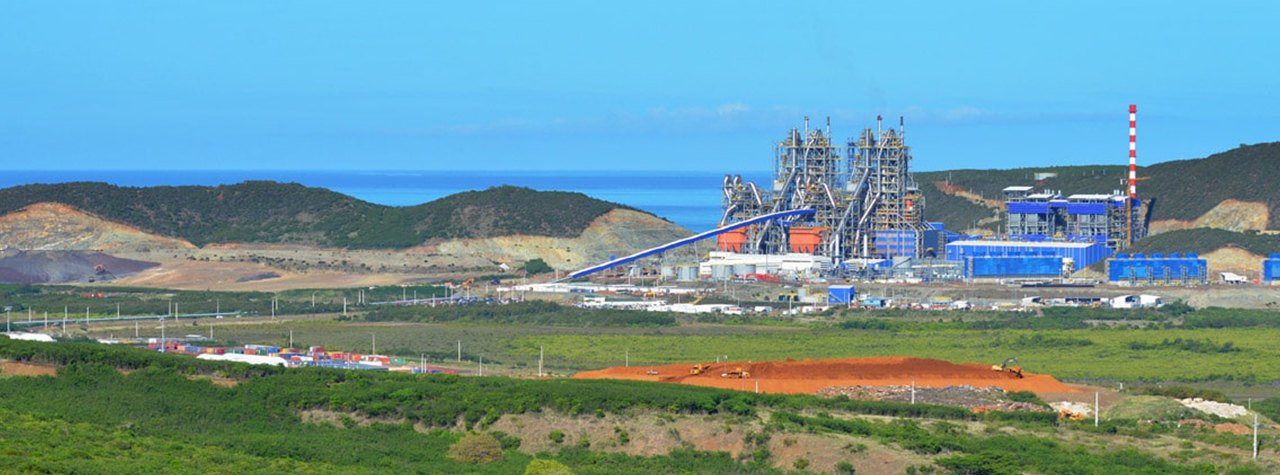
La réussite économique n’est pas le seul objectif de Koniambo Nickel. Notre société souhaite en effet conjuguer son exceptionnelle productivité avec le respect des hommes et de la nature.
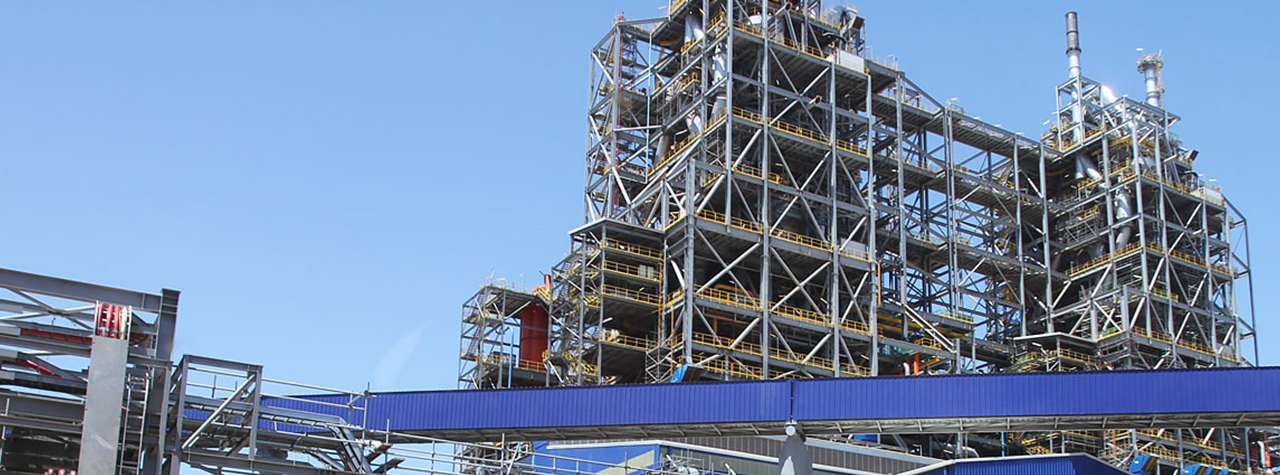
Koniambo Nickel doit relever le défi d'une montée en production depuis la Mine jusqu'au Port. L'entreprise vise une production mensuelle en montée en puissance de 3000 tonnes par mois. Un défi technique et humain.
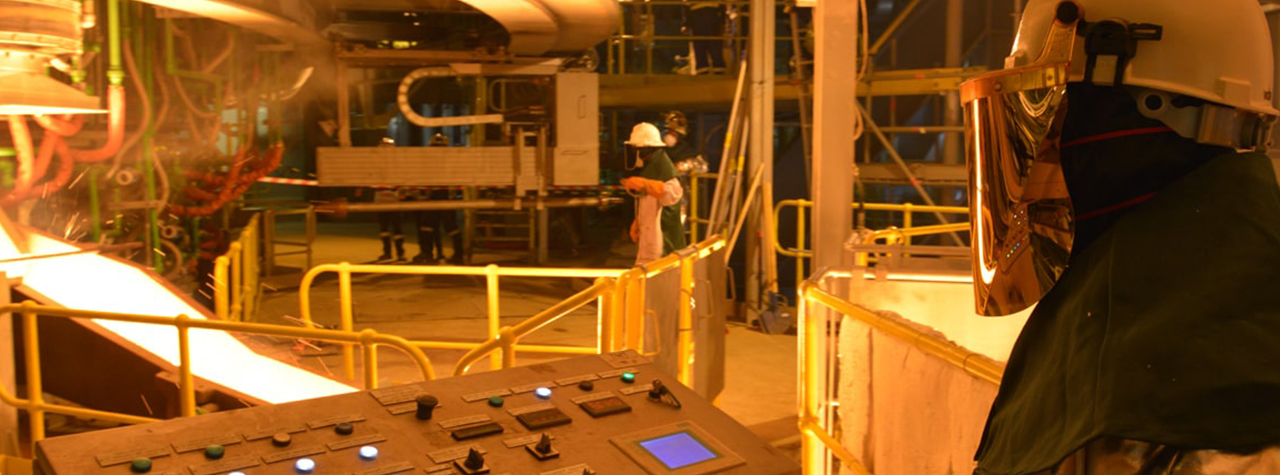
Grâce à une technologie particulièrement innovante et à un gisement de nickel d’une qualité exceptionnelle, Koniambo Nickel assurera une exploitation sur le long terme et à faible coût.
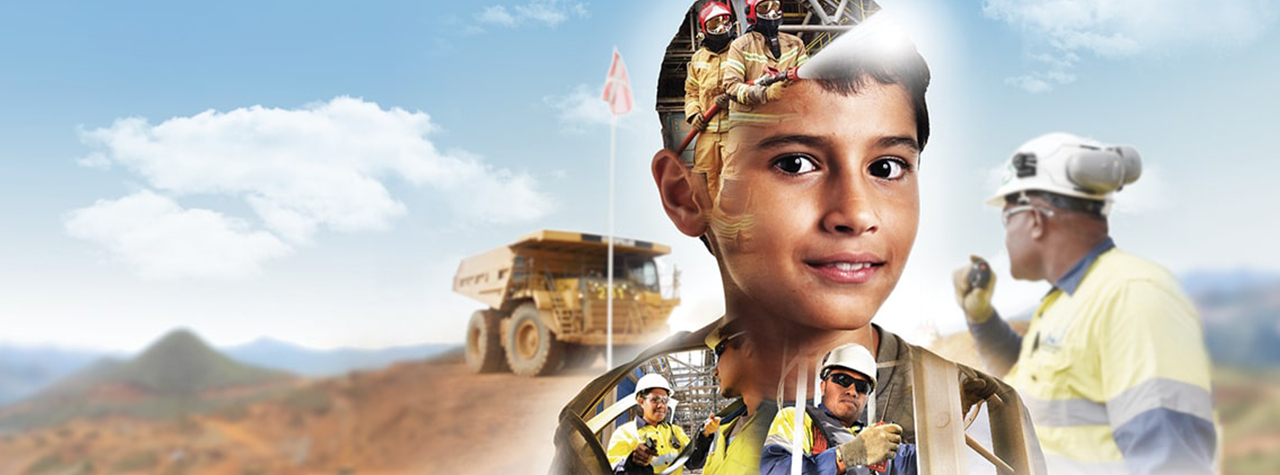
Nous appliquons avec rigueur les meilleurs pratiques en matière de sécurité et tentons de les faire rayonner au-delà de notre complexe industriel. Notre vision : préserver la sécurité de notre personnel, celle de leurs proches et de tous les Calédoniens.
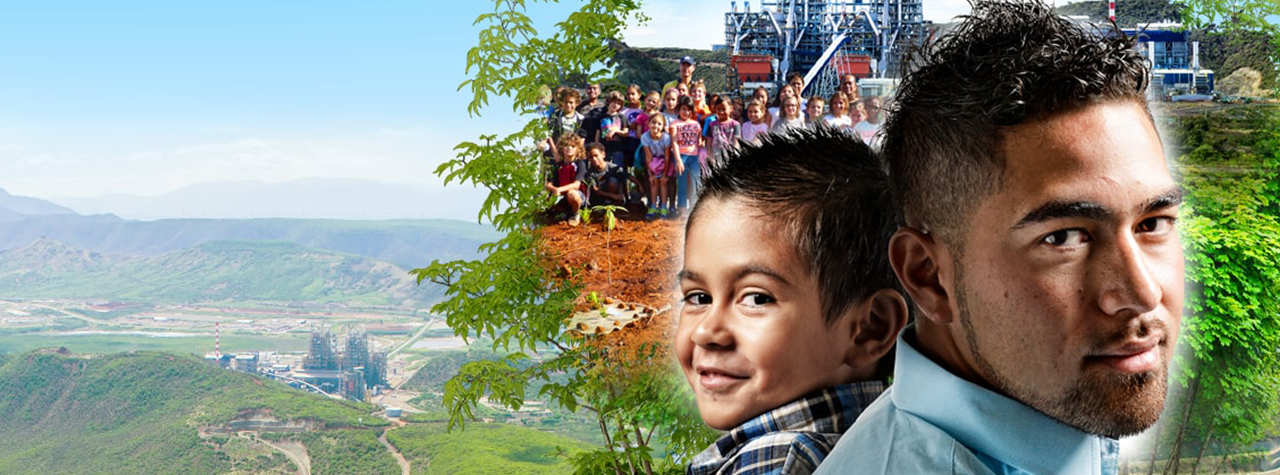
Notre objectif : créer un futur de qualité pour les générations à venir. Nos initiatives sont la force de notre engagement pour que les jeunes calédoniens construisent durablement leur réussite.
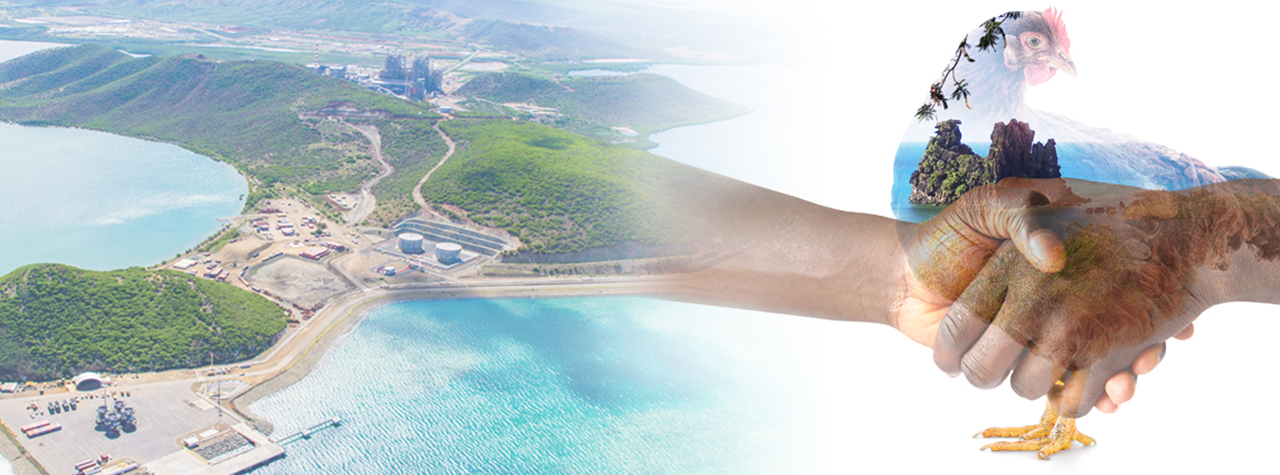
Koniambo Nickel contribue au Développement Durable de la Nouvelle-Calédonie en participant au financement d'initiatives locales pour l'amélioration de la qualité de vie des citoyens.
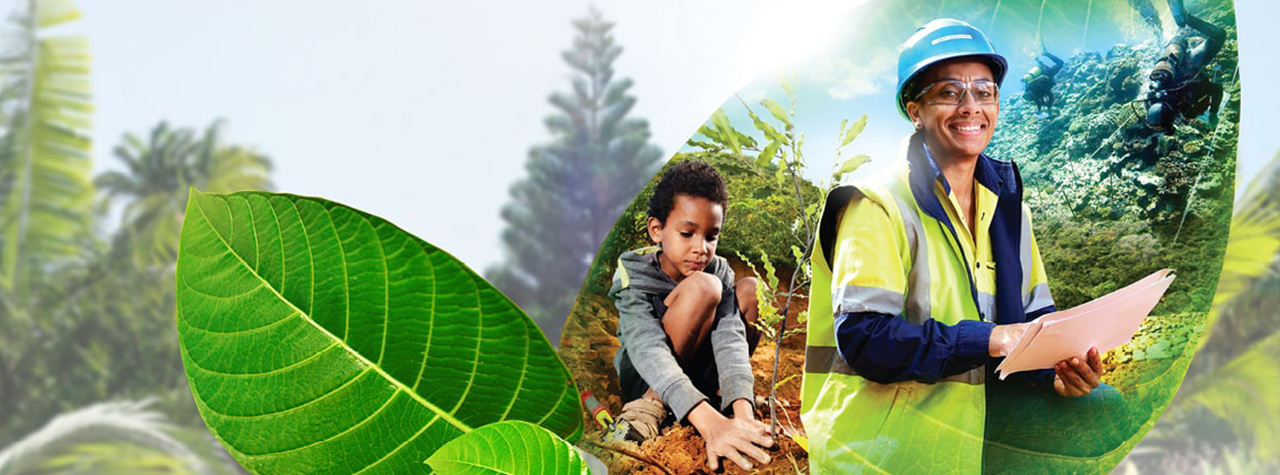
Respecter, réhabiliter, étudier, surveiller, protéger, planter : Koniambo Nickel est un exemple international de développement durable. Nous nous engageons à minimiser les impacts du complexe industriel sur l’environnement naturel de la Nouvelle-Calédonie
Notre vision
Koniambo Nickel exploite un site industriel de classe mondiale qui fonctionne selon les principes de développement durable et garantit un coût de revient concurrentiel le positionnant comme l’un des sites de production de ferronickel les plus compétitifs au monde.
Koniambo Nickel est un facteur de rééquilibrage par ses activités directes et induites, et génère des retours économiques positifs et de long terme pour ses actionnaires, pour la Province Nord et la Nouvelle-Calédonie.


Notre mission
- Assurer la montée en puissance en toute sécurité de Koniambo Nickel à sa capacité nominale de production :
- en respectant l'atteinte des objectifs de qualité et de prix de revient fixés, - en assurant le respect des communautés et de l'environnement. - Développer le capital humain de Koniambo Nickel, dans le cadre d’ une organisation industrielle performante et durable :
- en privilégiant la formation et le développement des compétences de son personnel.
Nos valeurs
-
santé
securité -
iconrespect
-
iconperformance
-
iconcoopération
-
iconIntégrité
rigueur -
iconfierté
-
icondurabilité
Notre stratégie d'entreprise
L’objectif stratégique global de Koniambo Nickel pour les années à venir est de construire une entreprise qui repose sur des fondamentaux sains :
- Une gestion environnementale sincère et Dialogue permanent avec ses parties prenantes, et notamment les populations des communes et tribus aux abords de la zone.
- Une base économique solide et rentable capable de faire face à un marché mondial incertain et rentable.
Une posture qui doit permettre à Koniambo Nickel d’être l’outil économique des générations à venir dans un environnement conscientisé aux impératifs de développement durable.
Santé et sécurité
La santé de nos salariés et de nos sous-traitants, le contact avec nos parties prenantes, le développement des compétences etc. Ces éléments d'un cadre de gestion durable exigeant nous permettront de construire notre culture sécurité et notre culture d'entreprise.
Production
La réussite de notre entreprise passe par le développement de méthodes, de pratiques et l'opération en sécurité et suivant des standards de classe mondiale de nos équipements et de nos unités de production. Pour atteindre nos objectifs de production, nous nous astreignons à suivre les plans de production, les plans de maintenance et d'accentuer notre connaissance de nos équipements.
Coûts
Le renouvellement de la confiance de nos actionnaires, la montée en puissance et à terme l'atteinte de l'équilibre et de la rentabilité exige que nous soyons rigoureux sur nos coûts et que nous organisions une production à moindre coût.
Nos actualités
-

L'Evaluation des Risques Professionnels (EvRP) est une méthode permettant d’identifier et de classer les risques liés aux…
-
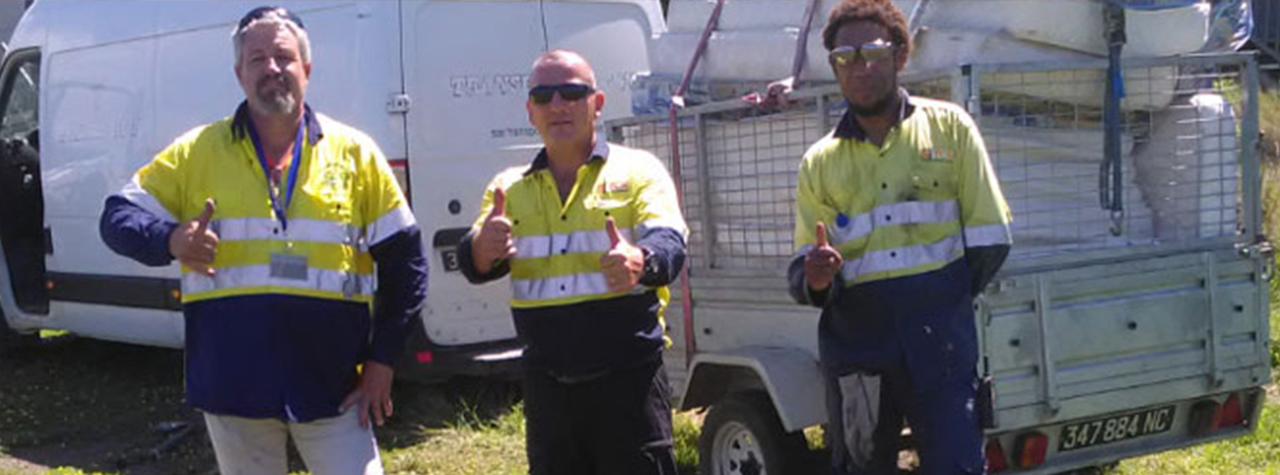
Lundi 5 décembre dernier, Koniambo Nickel a fait un don de 41 matelas de la base-vie pour venir en aides aux populations de…
-
Une trop forte pluie à la Baie des Citrons pendant plusieurs jours, et l’eau douce se déversant dans la mer en modifie…
-
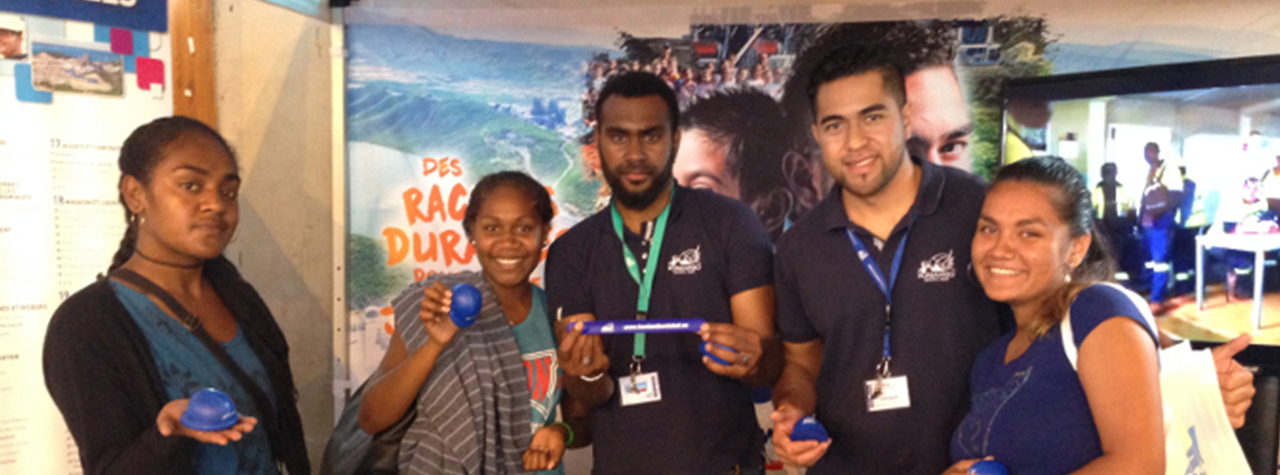
Juillet a été un mois riche en évènements et manifestations extérieures pour les équipes terrain de Koniambo Nickel.
Connectez-vous à votre Espace pro